<body><script type="text/javascript"> function setAttributeOnload(object, attribute, val) { if(window.addEventListener) { window.addEventListener('load', function(){ object[attribute] = val; }, false); } else { window.attachEvent('onload', function(){ object[attribute] = val; }); } } </script> <div id="navbar-iframe-container"></div> <script type="text/javascript" src="https://apis.google.com/js/platform.js"></script> <script type="text/javascript"> gapi.load("gapi.iframes:gapi.iframes.style.bubble", function() { if (gapi.iframes && gapi.iframes.getContext) { gapi.iframes.getContext().openChild({ url: 'https://www.blogger.com/navbar/7401799?origin\x3dhttp://insert-text-here.blogspot.com', where: document.getElementById("navbar-iframe-container"), id: "navbar-iframe" }); } }); </script>

I've got a theory on Saturn's rings...my guess is, however, I'm not the first on this one...but I haven't read it yet.

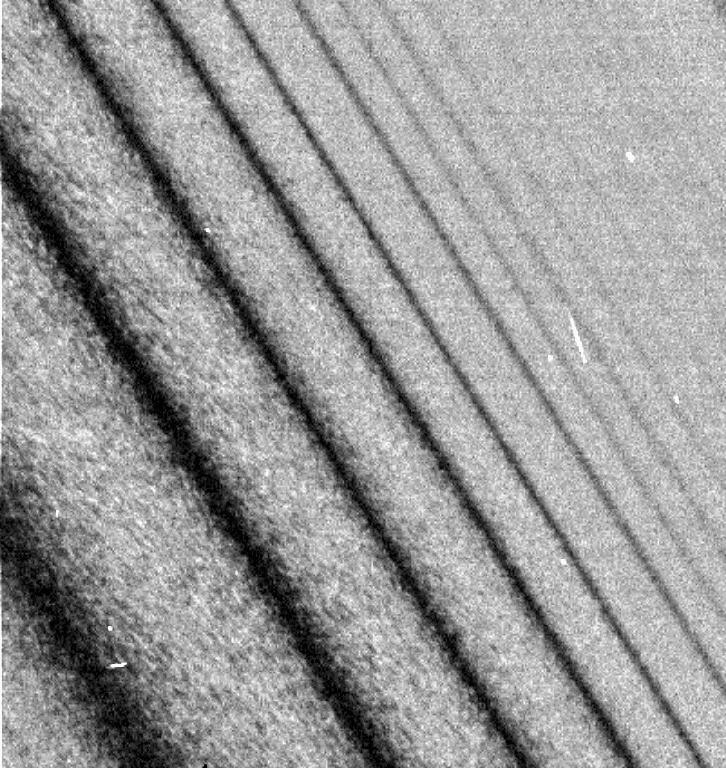
The spaghetti-type interlaced structure of the rings has been a recent bafflement of NASA brains as it is nothing like anyone suspected the rings would look like. Previous views took on a look of rings of rocks ranging from microscopic to small moon-sized masses floating in circles around planets, such as the rings shown at the beginning of the old series Star Trek Voyager.


I ran across a picture of a frozen planet with all of these icy structures outlining its surface. It is my guess that Saturn Spaghetti is nothing more than an intrecate weaving of ice-type crystals that have formed as per the form created by the pull of Saturn's gravity. I guess that only time will tell.

/''''''''''''''''''''''''''''''''''''''''''''''''''''''''''''''''''''''''''''''''''''''''''''''''''''''''''''''''''''''''''''''''''''''''\


0 Comments:

Post a Comment

<< Home